
Categories
Northern California Living, Dream Home, Life Beyond Real EstatePublished September 16, 2026
Buying a Home With Acreage in Northern California: 10 Things to Know First

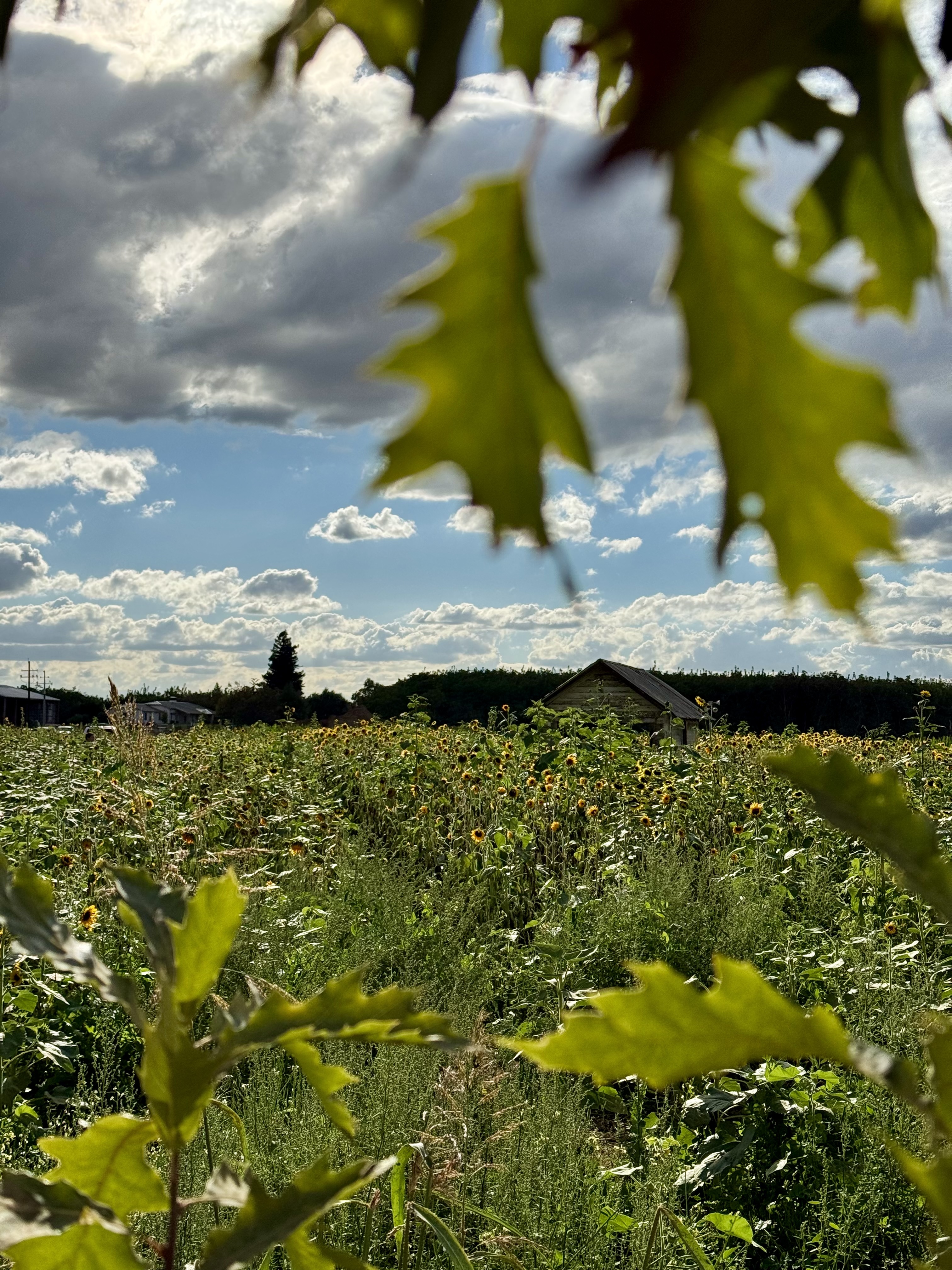
More land.
More privacy.
Room for animals.
A workshop.
An RV.
A garden.
Maybe even enough space to stop seeing directly into your neighbor's kitchen window.
For many Northern California buyers, moving from a traditional neighborhood to a home with acreage sounds like the dream.
And it absolutely can be.
But acreage changes the home-buying equation.
You're no longer evaluating only a house.
You're evaluating the land, utilities, access, maintenance, infrastructure, and everything that comes with owning a larger property.
Before you fall in love with five beautiful acres, here are ten things you should investigate.
1. Understand Where Your Water Comes From
In a suburban neighborhood, you probably don't spend much time thinking about where the water comes from.
On acreage, you may need to.
Some properties may use a private well instead of public water.
If the home has a well, understand:
- Well production
- Water quality
- Well depth
- Equipment
- Storage
- Maintenance history
Depending on the property and transaction, inspections or testing may be appropriate.
Water isn't a detail.
It's one of the property's essential systems.
2. Understand the Septic System
Properties outside public sewer areas may rely on septic systems.
Placer County notes that properties without public sewer may require on-site sewage disposal systems, with soil conditions helping determine system type and location.
If you're buying an existing property with septic, learn:
Where is the tank?
Where is the leach field?
How old is the system?
When was it last serviced?
Is there a designated repair area?
A beautiful backyard suddenly becomes much less exciting if you don't understand what sits underneath it.
3. Confirm What You Can Actually Do With the Land
Five acres does not automatically mean five acres of unlimited possibilities.
If your dream includes:
Horses.
A barn.
An ADU.
A workshop.
A business.
RV storage.
Major grading.
Splitting the parcel.
Don't assume.
Investigate zoning, setbacks, easements, building requirements, and other restrictions before buying.
Buy the property that supports your plan—not the property you hope you'll somehow be allowed to change later.
4. Look Carefully at Access
How do you reach the house?
Is the road public or private?
Who maintains it?
Is it paved?
Are there shared-driveway agreements?
Would emergency vehicles have reasonable access?
What happens during heavy rain or winter weather?
That beautiful private driveway can be a selling point.
It can also become your responsibility.
5. Fire Safety Matters
Depending on the area, vegetation and wildfire risk may be part of acreage ownership.
That means buyers should think about defensible space, vegetation management, emergency access, and insurance.
Placer County received California's Fire Risk Reduction Community designation in 2026, recognizing county wildfire-prevention and planning efforts; insurance impacts still vary by insurer and individual property.
The practical lesson?
Get insurance quotes before you're deeply into the transaction.
Don't assume what a property will cost to insure.
6. Trees Are Beautiful—and They're Maintenance
One reason people love acreage is the landscape.
Mature trees can create shade, privacy, and an incredible setting.
They can also require trimming, removal, cleanup, and ongoing management.
Walk the entire property when possible.
Don't evaluate it only from the front porch.
7. Figure Out the Internet Situation
This has become increasingly important.
Especially if you work from home.
Don't assume a rural or semi-rural property has the internet options you're used to.
Verify available providers and speeds.
If your job depends on reliable video calls, upload speeds, and constant connectivity, test before buying.
Your dream home becomes a lot less dreamy when your Monday morning Zoom call freezes every three minutes.
8. Understand the Maintenance
More land means more property to care for.
That can involve:
Mowing.
Weed management.
Tree work.
Fence repair.
Driveway maintenance.
Irrigation.
Equipment.
Drainage.
Storm cleanup.
If you genuinely enjoy that lifestyle, fantastic.
If you want land but hate outdoor maintenance, factor professional help into your budget.
9. Inspect the Outbuildings Too
Acreage properties may include:
Barns.
Shops.
Garages.
Sheds.
Animal structures.
Storage buildings.
Don't focus so heavily on the main house that you ignore everything else you're purchasing.
Understand the condition and permitted status of important structures where applicable.
10. Think About Your Actual Lifestyle
This may be the biggest question.
Why do you want acreage?
Privacy?
Animals?
Gardening?
Storage?
Hobbies?
Multi-generational living?
Space for kids?
A quieter environment?
Make sure the property solves the problem you're actually trying to solve.
There's no prize for maintaining five acres when what you really wanted was a half-acre backyard with room for a pool and RV.
The Roots Take
Acreage properties can offer an incredible Northern California lifestyle.
But they're not simply suburban homes with bigger yards.
They require a different type of due diligence.
At Roots Real Estate Group, we want buyers to understand the entire property before making a decision.
The house.
The land.
The water.
The septic.
The insurance.
The access.
The maintenance.
Because when all of those pieces fit your lifestyle, acreage can be exactly what you imagined:
A little more space.
A little more freedom.
And plenty of room to put down roots.

Oliver Kane
| Roots Real Estate Group | PLACE
or another way