
Categories
Multigenerational Living, Buying Real Estate, Dream Home, Investing in Real EstatePublished October 13, 2026
Buying a Multigenerational Home in Northern California: What Families Should Know

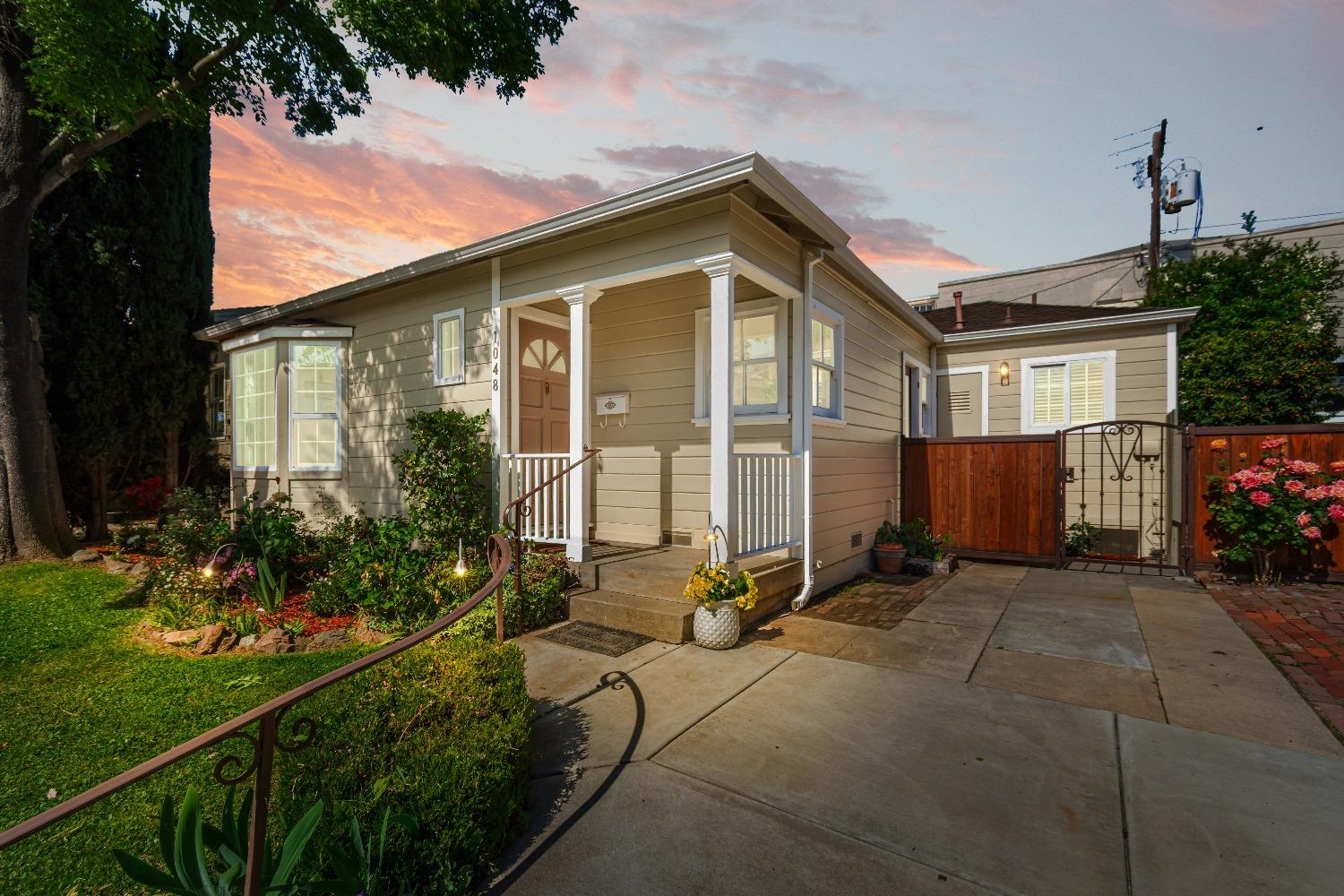
More Northern California buyers are exploring homes that can accommodate multiple generations under one roof.
Parents.
Adult children.
Grandparents.
Extended family.
Sometimes it's about sharing expenses.
Sometimes it's about helping aging parents.
And sometimes it's simply about keeping family close.
Whatever the reason, multigenerational living can offer meaningful benefits.
But finding the right property requires more planning than simply searching for extra bedrooms.
Here's what buyers should consider.
First, Define What Multigenerational Living Means for Your Family
Every family is different.
For some, it means grandparents living in a separate suite.
For others, it means adult children sharing the main home.
Some families want a fully independent living space.
Others prefer shared common areas with private bedrooms.
Before looking at homes, discuss what everyone actually needs.
Privacy?
Separate entrances?
A second kitchen?
Accessible bathrooms?
Separate laundry?
Room for children?
These conversations should happen before the home search begins.
Privacy Is Important
Living together doesn't mean everyone wants to spend every moment together.
Consider how the home's layout supports independence.
Features that may be helpful include:
- Separate living areas
- Bedrooms on opposite sides of the home
- Private bathrooms
- Separate entrances
- Multiple gathering spaces
- Sound separation
A home with more square footage isn't necessarily better if the layout doesn't provide privacy.
Consider Single-Story Living
If older relatives will be living in the home, accessibility may be important.
Think about:
Stairs.
Doorway widths.
Bathroom layouts.
Walk-in showers.
Entry steps.
Parking.
Distance between bedrooms and common areas.
Even if accessibility isn't an immediate concern, planning ahead can make the property more functional over time.
What About an ADU?
An accessory dwelling unit, or ADU, may provide another option for multigenerational living.
Depending on the property and applicable regulations, an ADU may offer a separate living space with its own facilities.
However, buyers should verify permitted use, construction status, utilities, and local requirements.
Don't assume that a converted garage or backyard structure is a legal dwelling unit.
Ask questions before buying.
New Construction May Offer Flexible Layouts
Some newer Northern California communities offer homes designed with flexible living spaces.
Depending on the builder and floor plan, buyers may find:
- Downstairs bedrooms
- Private suites
- Separate living areas
- Additional bathrooms
- Flexible rooms
- Optional multigenerational layouts
But remember to confirm what is actually included.
A model home may display upgrades that aren't part of the base price.
Discuss Finances Before Buying Together
This is one of the most important conversations families can have.
Who will own the home?
Who will contribute to the down payment?
Who will pay the mortgage?
How will utilities be divided?
Who handles repairs?
What happens if someone wants to move?
What happens if circumstances change?
These discussions may feel uncomfortable.
But they're much easier before purchasing than after a disagreement.
For ownership agreements and estate planning, consult qualified legal and financial professionals.
Which Northern California Communities Should You Explore?
Depending on your budget and preferred lifestyle, buyers may want to explore:
Roseville: A wide range of housing styles, established neighborhoods, and newer communities.
Rocklin: Suburban neighborhoods and convenient access to South Placer amenities.
Lincoln: Newer communities and larger floor plans in certain developments.
El Dorado Hills: Custom homes and larger properties in some neighborhoods.
Granite Bay: Established neighborhoods and larger homes.
Rancho Cordova: A mix of established and developing communities.
The best location depends on where family members work, attend school, receive healthcare, and spend time.
The Roots Take
Multigenerational living can create wonderful opportunities for families.
But the right home needs to balance togetherness with independence.
At Roots Real Estate Group, we help buyers think beyond the number of bedrooms.
We look at layout, accessibility, location, ownership costs, and long-term flexibility.
Because when multiple generations share a home, finding the right fit matters even more.
The goal isn't simply living under one roof.
It's creating a home where everyone has room to thrive.

Oliver Kane
| Roots Real Estate Group | PLACE
or another way