
Categories
Renovation, Construction, RenovationsPublished September 24, 2026
Should You Buy a Fixer-Upper in Northern California?

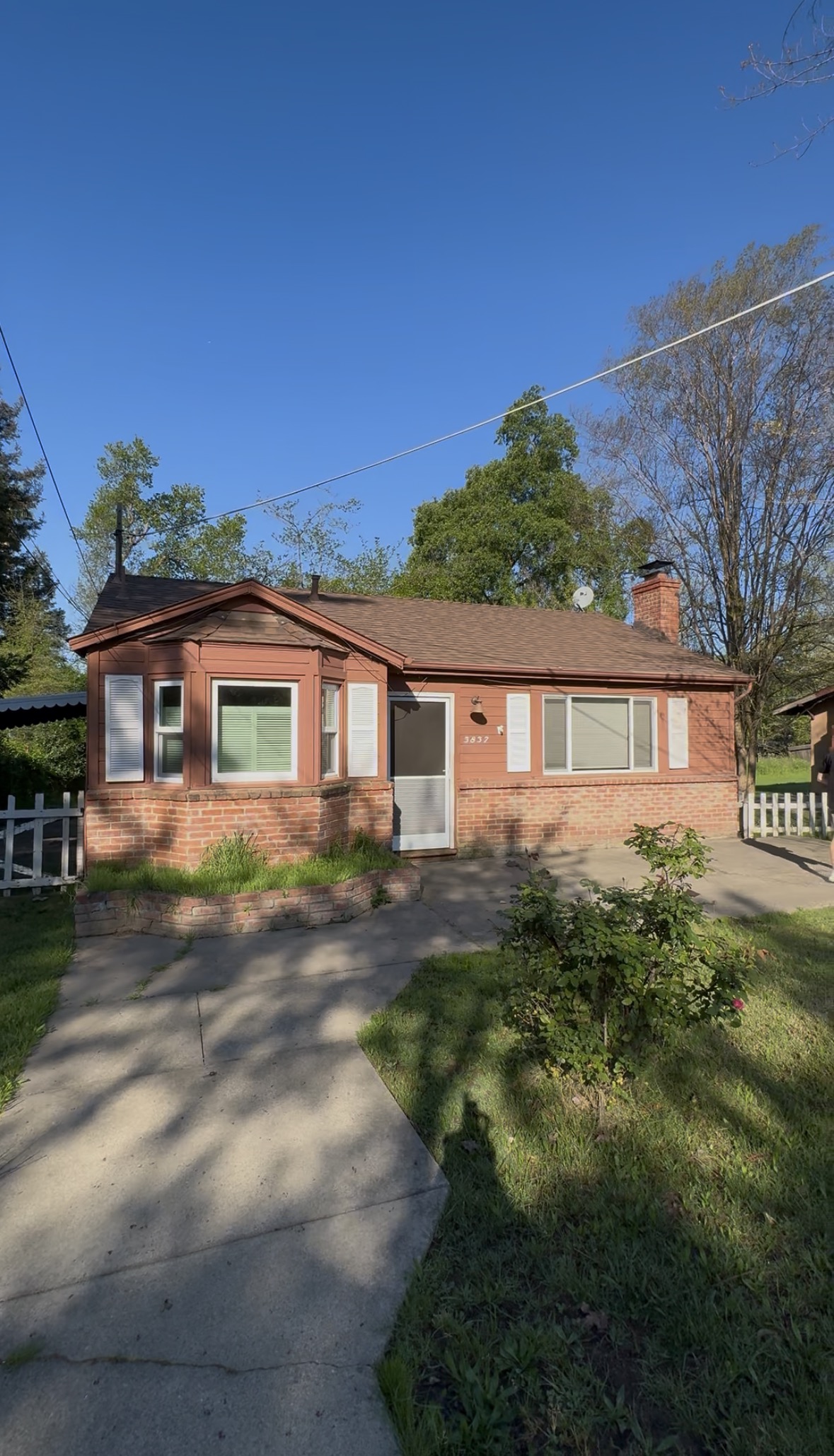
A fixer-upper can be exciting.
Lower purchase price.
Opportunity to customize.
Potential to build equity.
And the satisfaction of turning an outdated house into something that feels completely yours.
But fixer-uppers can also become expensive, stressful, and much more complicated than buyers expect.
So how do you know whether buying one is a smart move?
Here are a few things to consider.
Start With the Right Reason
Why do you want a fixer-upper?
If the answer is:
Because I love projects and want to create something unique
That can work.
If the answer is:
Because it’s cheaper
Be careful.
A lower purchase price does not always mean a lower total cost.
Repairs, permits, materials, contractors, temporary housing, and unexpected problems can add up quickly.
Cosmetic Work Is Different From Structural Work
Not all fixer-uppers are equal.
There is a huge difference between:
- Paint
- Flooring
- Light fixtures
- Cabinets
- Landscaping
And:
- Foundation repairs
- Roof replacement
- Major electrical work
- Plumbing replacement
- Structural issues
- Extensive water damage
Before buying, understand which category the property falls into.
Inspections Matter Even More
With a fixer-upper, inspections are especially important.
You may already expect the property to need work.
That does not mean every problem is obvious.
An outdated kitchen is easy to see.
A hidden plumbing issue is not.
Know what you're buying before you become emotionally committed to the renovation plan.
Build a Realistic Budget
If you're budgeting only for the work you can see, you're probably underestimating.
Renovations often uncover additional issues.
That’s why contingency money matters.
Ask contractors for estimates.
Price materials.
Understand permit requirements.
Then add room for surprises.
Because there are almost always surprises.
Think About Your Timeline
How long can you comfortably live in a construction zone?
Can you move in right away?
Will you need temporary housing?
How long do permits take?
Are contractors available?
A renovation that sounds fun in theory can feel very different after three months of dust, noise, and unfinished rooms.
Financing May Be Different
Depending on the condition of the home and the loan you're using, financing may become more complicated.
Some properties may not qualify for certain traditional loans if major health, safety, or condition issues exist.
That’s why it’s important to involve your lender early.
Don’t assume every fixer can be financed the same way as a move-in-ready home.
Think About Resale Before Renovating
Even if you plan to stay for years, avoid improving the home far beyond what the neighborhood supports.
It’s easy to overspend on finishes because they’re beautiful.
But resale value is influenced by the surrounding market.
Ask:
What are renovated homes nearby selling for?
Would this project bring the property in line with the neighborhood?
Or would it create the most expensive house on the street?
Those answers matter.
Who Should Consider a Fixer-Upper?
A fixer may be a good fit if you:
- Have renovation experience
- Have cash reserves
- Understand the scope
- Can tolerate disruption
- Have reliable contractors
- Plan to stay long enough to enjoy the improvements
- Are buying at a price that supports the work
It may be less ideal if you need predictable costs and a quick move-in.
The Roots Take
A fixer-upper can be a fantastic opportunity.
But only when the numbers, condition, and lifestyle make sense.
At Roots Real Estate Group, we want buyers looking beyond the updated renderings they imagine in their heads.
Before buying, understand:
The purchase price.
The renovation cost.
The timeline.
The risk.
And the realistic value afterward.
Because the best fixer-upper isn't the one with the biggest transformation.
It’s the one that still makes sense after the dust settles.

Oliver Kane
| Roots Real Estate Group | PLACE
or another way